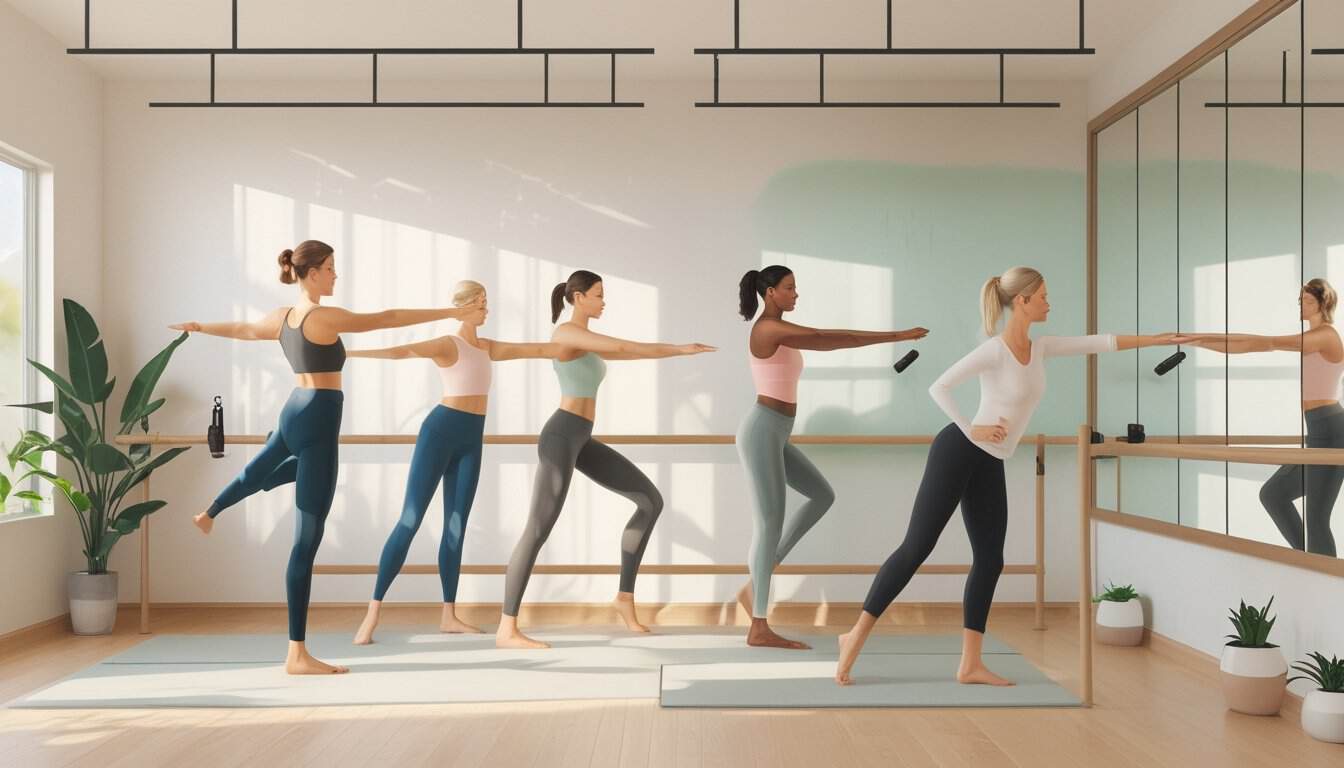
What I Look For Before Choosing a Dance Studio in Malaysia
When I search for dance studios malaysia, I like to keep it simple: what do I want to learn, how often will I show up, and whether the place feels like somewhere I can sweat without silently panicking. A good studio is not just about mirrors and catchy playlists; it is about structure, safety, and a vibe that makes me want to return next week, not disappear after one class. Related source: find dance studios across Malaysia.
My quick checklist starts with the basics: location, class levels, and the style offered. If I have to cross half the Klang Valley for a 45-minute class, the motivation may not survive traffic. I also want a studio that explains beginner, intermediate, and advanced levels clearly, so I am not accidentally thrown into choreography that looks like it was designed by a very energetic octopus. Related source: seekdance.my studio directory.
Popular Dance Styles I Usually See at Dance Studios Malaysia
Most dance studios malaysia offer a mix of styles, and that is good news if I am still figuring out what my feet are doing. From high-energy classes to something more graceful and musical, there is usually a style for every mood, skill level, and coordination crisis.
Hip hop and street dance
Hip hop is often the crowd favourite because it is fun, fast, and full of personality. I like it when a studio makes this style feel welcoming to beginners, with routines that build confidence instead of making me question my life choices by minute five.
Street dance classes usually focus on rhythm, groove, and attitude. If I want something lively and expressive, this is usually where I start browsing first.
Ballet and contemporary
Ballet is the classic choice for posture, discipline, and that elegant “I definitely know what I am doing” energy. Contemporary classes, on the other hand, can feel more expressive and creative, which suits me when I want movement to look a bit more artistic and less like a workout in disguise.
Studios that teach these styles well usually have clear progressions, proper technique training, and instructors who can correct form without making the class feel intimidating.
Jazz, K-pop, and other performance styles
Jazz classes are often upbeat and polished, with sharp movements and a performance feel. K-pop classes are a big draw too, especially when I want choreography that feels current and entertaining. These classes are great if I enjoy learning routines that look impressive enough to make my friends ask for a demo.
Many studios also run seasonal or themed classes, which is a nice bonus when I want to try something fresh without committing long term.
My Checklist for Comparing Studio Facilities
Facilities may not sound glamorous, but they can make or break the whole experience. When I compare dance studios malaysia, I look beyond the class poster and check whether the place actually supports good learning and safe movement. Fancy lighting is nice, but my ankles prefer proper flooring.
Flooring, mirrors, and ventilation
Good dance flooring matters more than people think. I want something that supports jumping, turning, and repeated practice without feeling like I am dancing on a punishment device. Mirrors should be clean and useful, not so distracting that I spend the class checking my hair instead of my steps.
Ventilation is another must-have in Malaysia’s lovely warm weather. If the room is stuffy, I may survive the class, but only out of stubbornness. A well-air-conditioned, airy studio helps everyone focus better and stay comfortable.
Changing areas and waiting spaces
Changing areas do not need to be luxurious, but they should be practical and clean. If I arrive from work or school, I appreciate a space where I can change without playing an awkward game of human Tetris.
Waiting spaces are useful too, especially if I bring a friend, a parent, or my own very dramatic pre-class nerves. A decent waiting area makes the whole studio feel more organised and friendly.
How I Judge the Teaching Quality
In dance studios malaysia, the instructor makes a huge difference. A good teacher does more than count beats; they break movements down, spot mistakes early, and keep the class moving without making anyone feel like they should already be a pro.
When I am checking a studio, I pay attention to how the teacher explains steps, whether they demonstrate clearly, and how they handle mixed ability levels. The best instructors are patient, encouraging, and still capable of keeping the class focused. Basically, they are the calm captain of a mildly chaotic dance ship.
I also like it when studios give feedback in a constructive way. Simple corrections on posture, timing, and balance can help me improve quickly. If the teacher creates a space where beginners feel safe to ask questions, that is usually a very good sign.
What I Consider for Class Schedule and Pricing
A studio can be excellent, but if the timetable clashes with my life, it becomes a very expensive daydream. That is why I always check whether the class schedule is flexible enough for my routine. Evening classes are popular for working adults, while weekend sessions are handy for those of us who are married to weekday commitments.
Pricing matters too, of course. Some dance studios malaysia offer drop-in classes, package deals, trial sessions, or monthly memberships. I like options because they let me test the waters before I commit to a full routine. If the studio clearly explains what is included in the price, that saves me from surprise math later.
I also compare class length and frequency. A cheaper class is not always better if it is too short to be useful, while a pricier class may be worth it if the teaching quality and facilities are strong. My rule is simple: I want value, not just a lower number on the poster.
Why Location and Accessibility Matter to Me
In Malaysia, location can decide whether I attend regularly or keep “meaning to go” for the next three months. A conveniently located studio near public transport, a main road, or a mall is much easier to commit to, especially when traffic is in one of its more creative moods.
Parking is another practical detail I refuse to ignore. If every class begins with a parking hunt, my enthusiasm may evaporate before warm-up. I also look at whether the studio is easy to find, especially if it is inside a building with many tenants and a confusing lift system. The simpler the arrival, the better the chances I actually make it to class on time.
How I Tell If a Studio Is Worth Trying
My final checklist for dance studios malaysia is wonderfully unglamorous but very effective. I read the class descriptions, check the level suitability, look at the studio photos, and see whether the overall tone feels friendly rather than overly intimidating. A studio that welcomes beginners and explains its process clearly usually earns points with me straight away.
If possible, I try a trial class first. It is the easiest way to know whether the teacher, space, and class pace suit me. After that, I ask myself a few simple questions: Did I feel comfortable? Did I learn something useful? Did I leave thinking, “Okay, I can actually do this”? If the answer is yes, then I have probably found a studio worth sticking with.